Polyurethane vs Rubber Screen Panels: Which Lasts Longer and When to Choose Each
The same screen deck can run polyurethane or rubber panels — but the two behave very differently. Polyurethane lasts several times longer in abrasive fine screening; rubber absorbs heavy impact better. Here is the straight comparison, with a selection table you can actually use.
What each panel does best
Polyurethane panels are cast from wear-resistant polyurethane and excel at fine and medium screening where steel mesh wears out fast. Rubber panels are elastomer-based and built to absorb impact from coarse, heavy feed. Neither is universally better — the right choice depends on your feed size, moisture and what is killing your current media.
Head-to-head comparison
| Factor | Polyurethane | Rubber |
|---|---|---|
| Wear life in abrasive fine screening | 3–5× longer than rubber; up to 6× vs steel mesh | Good, but cuts and tears faster on sharp feed |
| Impact resistance | Good; reinforced with steel for heavy duty | Best-in-class for coarse, heavy feed |
| Aperture accuracy | Precise and stable over long periods | Stable, but flexible on larger spans |
| Anti-blinding (wet/sticky) | Excellent, especially with self-cleaning apertures | Very good; flip-flop rubber for extreme cases |
| Noise | Lower than steel, slightly higher than rubber | Quietest option |
| Cost | Higher upfront, lowest cost per tonne of throughput | Lower upfront, shorter life in fine screening |
When to choose polyurethane
- Your failure mode is abrasive wear on fine/medium decks.
- Feed is wet and sticky and you fight blinding.
- You need stable aperture dimensions for accurate sizing.
- Your priority is lowest cost per tonne over the media lifetime.
When to choose rubber
- Feed is coarse and heavy and impact damage is the main killer.
- You are scalping or taking large rocks on the top deck.
- Noise reduction matters and vibration is high.
- Budget is tight and the wear environment is not abrasive.
The hybrid that most plants miss
Many mines run rubber on the top deck for impact protection and polyurethane on lower decks for fine separation. It is usually the most economical full-deck solution — and it is exactly the kind of combination Minpart supplies as an OEM factory.
What about steel-reinforced polyurethane?
For very heavy impact with abrasive feed, steel-reinforced polyurethane panels combine impact toughness with polyurethane wear life. Use them on top decks where plain polyurethane would crack but rubber would wear too fast.
Ordering the right panels
Tell us your screen deck dimensions, aperture size, wire/panel thickness and material. Minpart casts panels to your machine — square, slotted or self-cleaning apertures, modular or tensioned mounting — and recommends the right material combination for your deck stack. Quotations usually go out within 24 hours.
Frequently Asked Questions
How long do polyurethane screen panels last?
In abrasive fine screening, polyurethane panels typically last 3–5 times longer than rubber and up to 6 times longer than woven steel mesh. In iron-ore applications, premium polyurethane has been measured at roughly 6× the life of rubber.
Are rubber panels ever the better buy?
Yes — when feed is coarse and impact is the main failure mode, or when noise reduction matters. Rubber absorbs impact best, and its lower upfront cost suits top decks in scalping duty.
Can I mix rubber and polyurethane on one screen?
Yes, and it is often the best answer: rubber on the top deck for impact, polyurethane on lower decks for wear life and accurate sizing. Minpart can supply a matched deck stack.
Do polyurethane panels blind with wet material?
Less than steel mesh. Polyurethane's flexibility and self-cleaning aperture options (e.g. slotted or stepped apertures) shed sticky fines much better than rigid media.
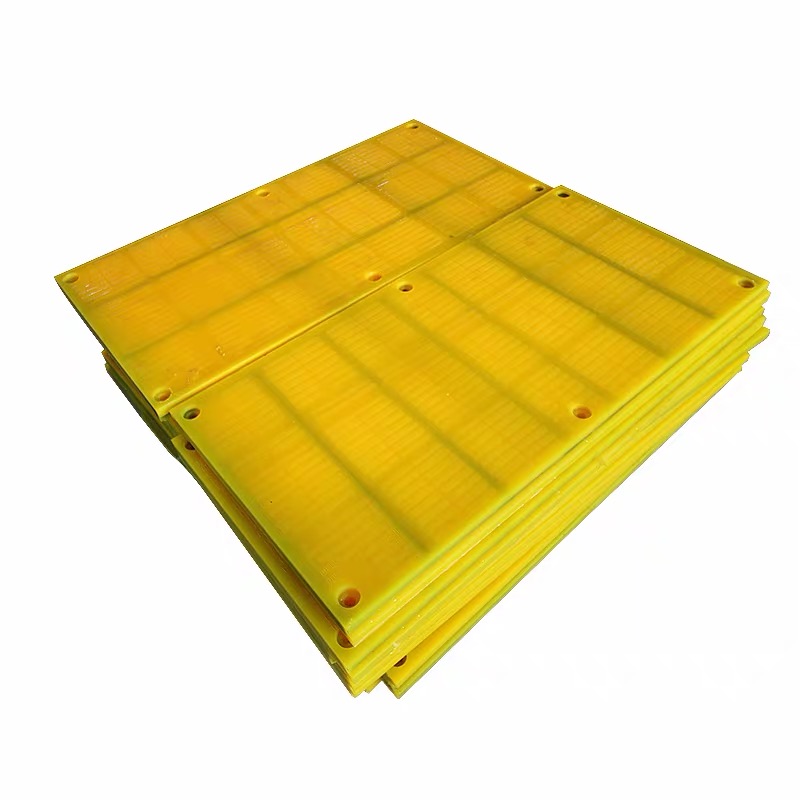 Polyurethane Screen Panels
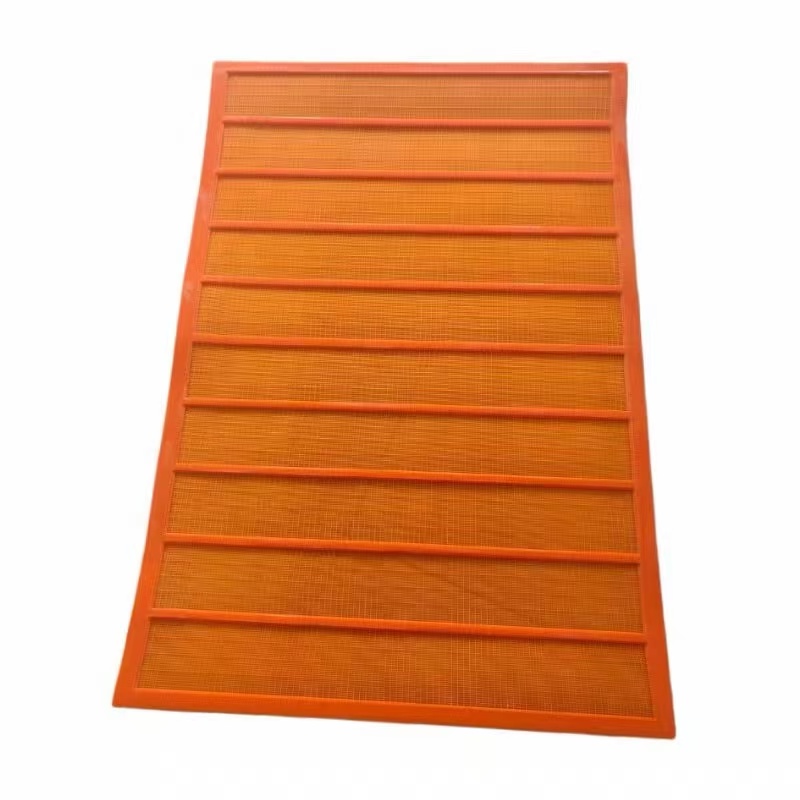 High-Frequency Screen Panels
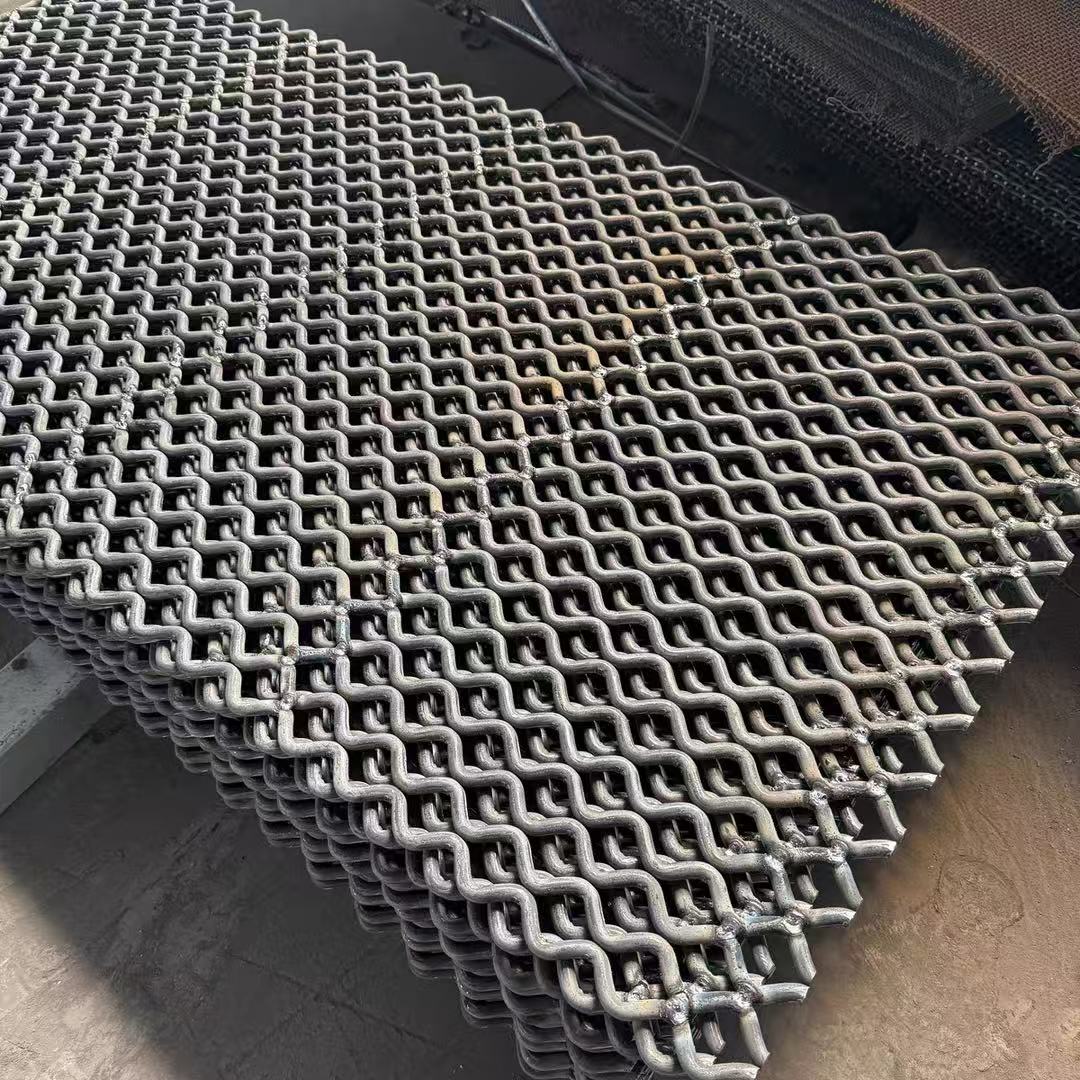 Mn-Steel Woven Screen Mesh
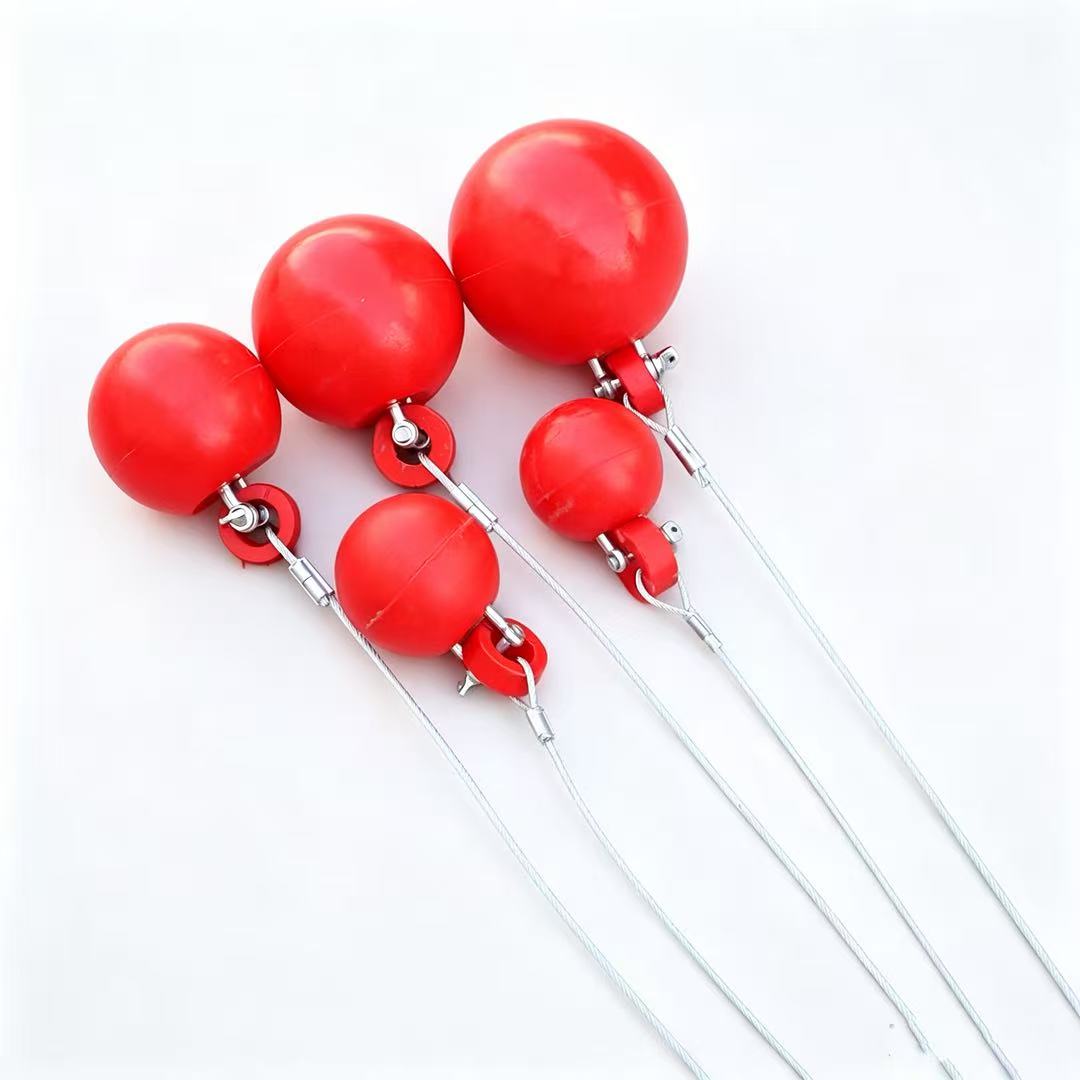 Screen Cleaning Balls